Affiliate Disclosure:Kid Sitting Safe is reader-supported. When you buy through links on our site, we may earn an affiliate commission at no additional cost to you. This does not influence our reviews or recommendations — we only recommend products we genuinely believe in.
What is the difference between a convertible and an all-in-one car seat?
A convertible car seat covers two stages, rear-facing then forward-facing with a harness. An all-in-one adds a third, converting to a belt-positioning booster so the same seat carries a child from birth to roughly age 10. That extra booster stage is the only structural difference between the two categories. Both are certified to FMVSS 213, both rear-face, both forward-face with a five-point harness.
Here’s the verdict before the analysis: an all-in-one car seat is the better choice for most families, because one purchase covers your child from birth through booster age and the long-rear-facing weight limits on modern all-in-ones have closed the gap with dedicated convertibles. Pick a dedicated convertible if fit in your vehicle is tight, if you specifically want premium installation features like Britax ClickTight, or if you already plan to buy a dedicated booster later when your child outgrows the harness phase.
That said, the old wisdom that “convertibles are better than all-in-ones for rear-facing” is outdated. The Graco Extend2Fit 3-in-1 hits 50 pounds rear-facing, which beats the Britax Boulevard ClickTight’s 40-pound rear-facing limit. Modern all-in-ones aren’t just compromise seats anymore; some of them outperform dedicated convertibles in the specific area convertibles used to own.
So the question isn’t really “which is safer” or “which is better at rear-facing”, both can excel at both. The real question is: do you want one seat for ten years, or two seats each optimized for their job?
Quick Comparison
| Aspect | Convertible Car Seat | All-in-One Car Seat |
|---|---|---|
| Modes | Rear-facing → Forward-facing | Rear-facing → Forward-facing → Booster |
| Typical rear-facing weight | 40-50 lbs | 40-50 lbs |
| Forward-facing weight | 40-65 lbs | 40-65 lbs |
| Booster mode | No | Yes (typically 40-100+ lbs) |
| Years of use | 6-8 years per seat | 10 years per seat |
| Typical seat size | More compact | Larger / bulkier |
| Best for tight vehicles | Yes | Less ideal |
| Total seats needed (birth to booster) | 2 (convertible + booster) | 1 |
| Long-term cost | Higher (two seats) | Lower (one seat) |
What is a Convertible Car Seat?
A convertible car seat covers two modes: rear-facing for infants and toddlers, then forward-facing with a 5-point harness for preschoolers. The seat itself is permanently installed in your vehicle (unlike infant car seats with detachable carriers), and you reconfigure it as your child grows.
Typical weight ranges: 4-50 lbs rear-facing depending on the model, 20-65 lbs forward-facing. Most convertibles expire 6-10 years from manufacture date. When your child outgrows the harness, you replace the seat with a dedicated booster.
Note on the Britax ClickTight convertibles. Britax has retired the Boulevard, Marathon and Advocate. They are kept in this comparison because plenty of families own one and they still turn up secondhand, and every figure quoted for them is accurate. If you are buying new, the current Britax convertible with the same ClickTight installation is the Poplar S.
The advantages of dedicated convertibles tend to be specific engineering wins: tighter footprints, premium installation systems (ClickTight, rigid LATCH), better materials at a given price point, and sometimes superior side-impact protection. The Britax Boulevard ClickTight’s installation system is genuinely one of the easiest in the category, the panel opens like a car door, you thread the seat belt through the marked path, and ClickTight automatically tensions to the correct tightness. No wrestling required.
What is an All-in-One Car Seat?
An all-in-one (often called 3-in-1) covers all three child-restraint modes in one purchase: rear-facing, forward-facing with harness, and belt-positioning booster. Typical weight ranges: 4-50 lbs rear-facing, 22-65 lbs forward-facing harness, and 40-100 (or 120) lbs in booster mode.
Most all-in-ones expire 10 years from manufacture date, long enough to cover a single child from birth through about age 10. For families with multiple children, the seat can pass down to younger siblings if the expiration date still has years remaining.
The trade-off is usually size: all-in-ones tend to be bulkier than dedicated convertibles because they need to accommodate three different installation positions. Some are also heavier, which matters if you transfer the seat between vehicles. The booster phase of an all-in-one is rarely as comfortable or feature-rich as a dedicated booster, so older kids may complain about it.
For a full breakdown of each car seat type, see our car seat types explained guide.
Rear-Facing Performance
This is the area where the old “convertibles are better” wisdom is genuinely outdated. The AAP recommends keeping children rear-facing as long as the seat allows, so a higher rear-facing weight limit translates directly to more time in the safer position. Our AAP child passenger safety research summary covers the data behind this guidance.
Among the three picks in this comparison:
- Britax Boulevard ClickTight: 5-40 lbs rear-facing
- Nuna RAVA: 5-50 lbs rear-facing
- Graco Extend2Fit 3-in-1: 4-50 lbs rear-facing
The Graco Extend2Fit (all-in-one) matches the Nuna RAVA (premium convertible) and beats the Britax Boulevard (premium convertible) on rear-facing capacity. The Graco also includes a 4-position extension panel that adds up to 5 inches of legroom, designed specifically for older toddlers who would normally outgrow rear-facing on legroom before weight.
The takeaway: shop on spec sheets, not categories. Some all-in-ones beat some convertibles on rear-facing, and vice versa. Don’t assume category alone determines rear-facing capability. See our extended rear-facing guide for the safety case behind keeping children rear-facing longer, and our best rear-facing car seats for 2026 for cross-category picks.
Forward-Facing Phase
Once your child has outgrown rear-facing (typically around age 4 for most kids, later for shorter or lighter children), they transition to forward-facing with a 5-point harness. Both convertibles and all-in-ones cover this phase.
Forward-facing weight limits in this comparison:
- Britax Boulevard ClickTight: 20-65 lbs
- Nuna RAVA: 25-65 lbs
- Graco Extend2Fit: 26.5-65 lbs
Functionally identical. All three keep your child in a harness up to 65 lbs, which the AAP recommends as the right approach: keep children in a 5-point harness as long as the seat allows before transitioning to a booster.
Where dedicated convertibles sometimes pull ahead is harness ergonomics. The Britax Boulevard’s 14-position no-rethread harness and the Nuna RAVA’s natural fire-retardant fabrics are premium touches that the Graco Extend2Fit, despite being excellent value, doesn’t match. For daily use comfort and ease of harness adjustment as your child grows, the dedicated convertibles in this comparison have an edge.
Booster Mode: The All-in-One’s Only Edge
Here’s where the all-in-one wins by default: it has a booster mode. The convertibles in this comparison don’t. When your child outgrows the harness at around 65 pounds, the Britax Boulevard and Nuna RAVA come to the end of their useful life. The Graco Extend2Fit converts to a highback booster from 40-100 lbs.
That said, the booster phase of any all-in-one is the weakest part of the seat. The Extend2Fit’s booster mode works, and meets FMVSS 213 requirements, but it lacks the dedicated comfort features of a seat like the Chicco KidFit. The cup holder geometry, headrest adjustability, and seat width tend to be afterthoughts on all-in-ones.
If you’re going to buy a dedicated booster anyway when your child reaches booster age, the all-in-one’s booster mode loses much of its value, you’re paying for a feature you won’t use. If you’re happy using the all-in-one’s booster mode for the years it lasts, you save the cost of buying a separate booster. Our booster seat reviews cover dedicated boosters if you’re weighing this tradeoff.
For guidance on when your child is actually ready to move from harness to booster, see our when can kids sit in a booster seat guide.
Safety Standards: They’re Equally Safe
Both convertibles and all-in-ones must meet the same FMVSS 213 Federal Motor Vehicle Safety Standard. The crash testing requirements are identical. NHTSA’s Ease-of-Use Ratings cover both categories using the same evaluation criteria.
There’s no safety category where one type is universally safer than the other. What does matter for safety:
- Correct installation. NHTSA data shows that installation errors are the single largest source of reduced car seat effectiveness, far outweighing differences between seat types.
- Proper harness fit. Snug straps, harness at the correct height (at or below shoulders for rear-facing, at or above for forward-facing), chest clip at armpit level.
- Following manufacturer limits. Don’t exceed weight, height, or age limits regardless of which category of seat you’re using.
- Using rear-facing as long as possible. This is the single biggest crash-protection variable, see our extended rear-facing guide for the data.
If you want the safest car seat, the answer isn’t “convertible” or “all-in-one”; it’s “the seat you can install correctly and use without skipping the rear-facing phase”. State laws set a minimum threshold; see our car seat law guide for your state’s specific rules.
The Long-Term Value Math
If you’re optimising for cost across your child’s car seat life, the maths typically favours all-in-ones, because you’re buying one seat instead of two.
Convertible path: a premium convertible such as the Britax Poplar S, then a dedicated booster at age 5 to 7, starting with a highback. Two purchases over roughly ten years.
All-in-one path: a single premium all-in-one such as the Graco Extend2Fit 3-in-1, covering the same span. One purchase.
The second booster is what tips it. A dedicated booster typically costs a fraction of a full convertible, but it’s still a second seat, and buying one at age five removes most of the saving from choosing a cheaper convertible in the first place.
The all-in-one usually works out cheaper over the full child-restraint period. For families with multiple children, where seats can be passed down (if the expiration date allows), the value math gets even better.
That said, there are scenarios where the math works the other way:
- If you want a premium dedicated booster anyway (because the all-in-one booster mode isn’t great), the convertible-plus-dedicated-booster path makes sense
- If you want the engineering features only premium convertibles offer (ClickTight, rigid LATCH, natural fire-retardant fabrics)
- If vehicle fit is so tight that only compact convertibles work in your back seat
Decision Tree: Which Fits Your Situation
Pick the all-in-one if:
- You want one decision and one purchase that lasts 10 years
- You’re price-sensitive and don’t want to buy a second seat later
- You have a single child or your spacing allows pass-down to siblings
- Your vehicle has reasonable back-seat space (most sedans, SUVs, minivans)
- You’re skeptical of the “buy more car seats” upgrade cycle
Pick the dedicated convertible if:
- Your vehicle has tight back-seat space (compact cars, three-across configs)
- You want premium engineering features (ClickTight, rigid LATCH, natural fabrics)
- You already plan to buy a dedicated booster when your child outgrows the harness
- Your child is on the larger side and you want optimal rear-facing fit
- You’re not bothered by the second-purchase requirement around age 5-7
Browse our best convertible car seat picks via all-in-one reviews for category recommendations, or our rotating car seats guide if you’re considering a 360-degree convertible.
Top Picks
Graco Extend2Fit 3-in-1
The benchmark all-in-one for extended rear-facing. Its 4-50 lb rear-facing range matches premium convertibles, the 4-position extension panel adds 5 inches of legroom for taller toddlers, and the 10-year expiration covers a single child from birth through booster age. The Simply Safe Adjust harness lifts headrest and harness in one motion, removing the no-rethread hassle entirely. Forward-facing harness goes to 65 lbs, then converts to a highback booster up to 100 lbs.
The booster mode isn’t as comfortable as a dedicated booster, that’s the honest tradeoff. But for one purchase covering all three modes with rear-facing capability that meets AAP extended rear-facing guidance, this is the value benchmark.
Britax Boulevard ClickTight
The premium dedicated convertible pick. ClickTight installation is the easiest premium-tier system on the market, the front panel opens, you thread the seat belt through the marked path, close until it clicks, and the system auto-tensions. No wrestling, no upper-body strength required, consistent installation regardless of who installs it. The steel frame, 2-layer side impact protection, and 14-position no-rethread harness round out the premium positioning.
The 5-40 lb rear-facing range is actually below the Graco Extend2Fit’s 4-50 lbs, which is the honest disclosure. Where the Britax wins is installation confidence and the ease of swapping between vehicles. If grandparents or babysitters also install the seat regularly, ClickTight pays for itself in fewer install errors. No booster mode, so plan for a separate booster around age 6-7.
Nuna RAVA
The premium convertible upgrade for parents who want both performance and natural materials. Rear-facing to 50 lbs (matching the Graco Extend2Fit), forward-facing to 65 lbs, steel frame construction, and naturally fire-retardant fabrics with no chemical treatments. The ventilation panels and premium padding put it ahead of nearly any other convertible on comfort.
Where the RAVA differs from cheaper convertibles is the materials philosophy. Most car seat fabrics use chemical fire-retardants that off-gas over the seat’s life. Nuna’s naturally flame-resistant fabrics avoid that chemistry while still meeting FMVSS 213 flammability requirements. For families concerned about chemical exposure, this is a real differentiator. Like the Britax, no booster mode; plan for a separate booster around age 6-7.
If you want the broader top-rated lineup across categories, see our top rated car seats guide for picks spanning infant, convertible, all-in-one, and booster categories.
Head-to-Head Comparison
Detailed Reviews
Graco Extend2Fit 3-in-1
Best all-in-oneThe benchmark for extended rear-facing with superior longevity and comfort features that grow with your child.
What We Like
- Extended rear-facing up to 50 pounds per AAP guidelines
- Adjustable leg extension panel for growing children
- 10-year lifespan from birth to booster
- InRight LATCH for quick one-second attachment
What We Don't
- Large footprint requires substantial back seat space
- Bulky when switching between vehicles
Britax Poplar S
Best dedicated convertibleClickTight installation and a genuinely slim shell, at a lower price than the premium imports.
What We Like
- ClickTight installation removes most of the guesswork from a tight fit
- Slim 17-inch shell is designed to fit three across
- Extended rear-facing to 50 lbs, matching the premium tier
- ReboundReduce stability bar limits rear-facing rebound movement
- 14-position no-rethread headrest and harness adjust together
What We Don't
- Only 6 recline positions against 10 on the Nuna RAVA
- 1-year limited warranty is short for the price
- At 28 lbs it is no lighter than seats without the slim shell
- Cover is washable but lacks the natural-fibre options of premium rivals
Nuna RAVA
Premium convertible upgradePremium comfort with natural, breathable harness materials.
What We Like
- Bamboo blend fabric is breathable, moisture-wicking and free of added flame retardants
- Ventilated side panels for enhanced airflow and comfort
- No-rethread harness simplifies height adjustments
- Side impact protection pods with EPO energy-absorbing foam
- Extended rear-facing capability up to 50 pounds
What We Don't
- Highest price point in convertible car seat category
- Heavy at 27.9 pounds, making transfers difficult
- Wide base may not fit well in smaller vehicles
Sources & Research
Continue Reading
Explore more car seat comparisons content or browse our other categories.
Frequently Asked Questions
- Is a convertible or all-in-one car seat safer?
- Both are equally safe when used correctly. Every car seat sold in the US, convertible or all-in-one, must meet the same Federal Motor Vehicle Safety Standard ([FMVSS 213](https://www.ecfr.gov/current/title-49/subtitle-B/chapter-V/part-571/subpart-B/section-571.213)) crash protection requirements. There's no safety category where one type is universally safer than the other. The biggest safety factor is correct installation and use, not seat category. According to NHTSA, installation errors are the single largest source of reduced car seat effectiveness, far outweighing differences between seat types or brands.
- Do convertibles have higher rear-facing weight limits than all-in-ones?
- Not always, and the gap has closed considerably. Many dedicated convertibles top out at 40 pounds rear-facing, while flagship all-in-ones like the Graco Extend2Fit 3-in-1 go to 50 pounds rear-facing. The American Academy of Pediatrics ([AAP](https://www.healthychildren.org/English/safety-prevention/on-the-go/Pages/Car-Safety-Seats-Information-for-Families.aspx)) recommends keeping children rear-facing as long as their seat allows, so a higher rear-facing weight limit is a real safety advantage. Check the specific model's spec sheet; don't assume convertibles win this category by default.
- Should I buy an all-in-one to skip buying a booster seat later?
- Yes, this is the all-in-one's strongest case. Most all-in-one seats have a 10-year expiration from manufacture date, long enough to cover one child from birth through booster age. Buying one seat that lasts 10 years is genuinely cheaper than buying a convertible plus a booster later. The trade-off is that the seat is bulkier in rear-facing mode than a dedicated convertible, and the booster portion is usually not as comfortable or feature-rich as a dedicated booster. If you want one decision and one purchase, all-in-one wins.
- When is a dedicated convertible the better choice?
- Choose a dedicated convertible when fit matters most. Convertibles are typically more compact than all-in-ones, which matters in three-across configurations, smaller vehicles, and rear-facing installations where space behind the front seats is tight. Premium convertibles like the Britax Boulevard ClickTight also offer installation systems that simply outperform what most all-in-ones provide. If you're planning to buy a separate booster anyway, or your child will be in your vehicle long enough to wear out a 10-year all-in-one, a convertible is the better-engineered choice for the first 6-8 years.
Written By
Kid Sitting Safe
Our team researches car seat safety standards, crash test data, and real-world usability to help parents make the safest choice.
Related Articles

Britax Boulevard vs Marathon vs Advocate: All Three Are Retired
Britax has retired all three ClickTight convertibles. What separated them, what to check if you own one or are buying secondhand, and which current Britax seat replaces them.
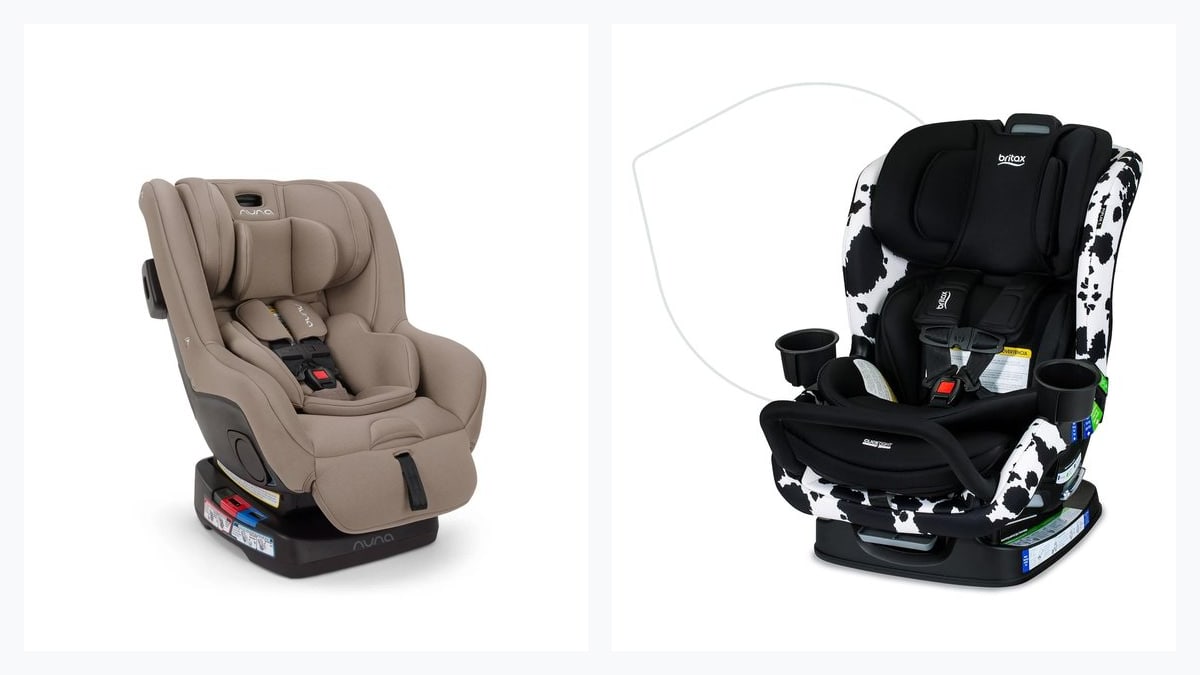
Nuna RAVA vs Britax Poplar S: Premium Convertible Compared
The Nuna RAVA and Britax Poplar S take the same child from 5 to 65 pounds on identical limits. The real differences are the installation system, a rebound bar, two inches of width, and recline range.
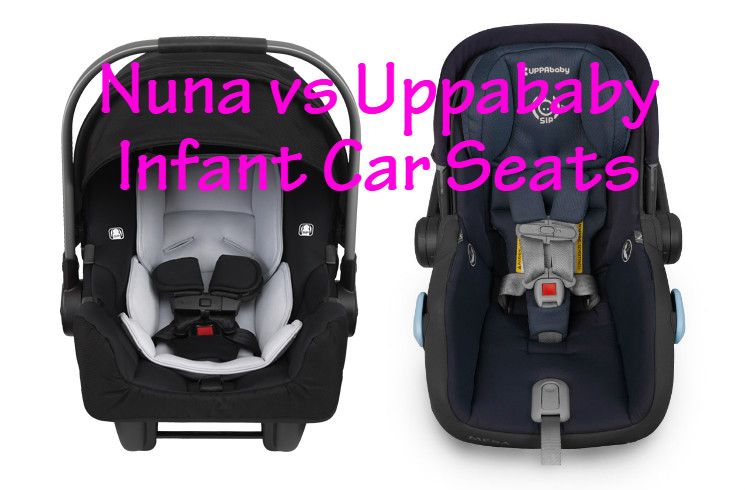
Nuna vs UPPAbaby: Luxury Infant Car Seat Comparison
Compare Nuna PIPA vs UPPAbaby Mesa infant car seats. We analyze luxury features, safety, stroller compatibility, and value to help you choose the best premium infant seat.